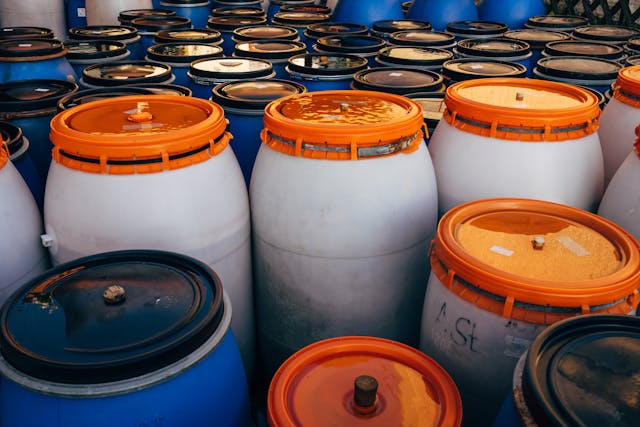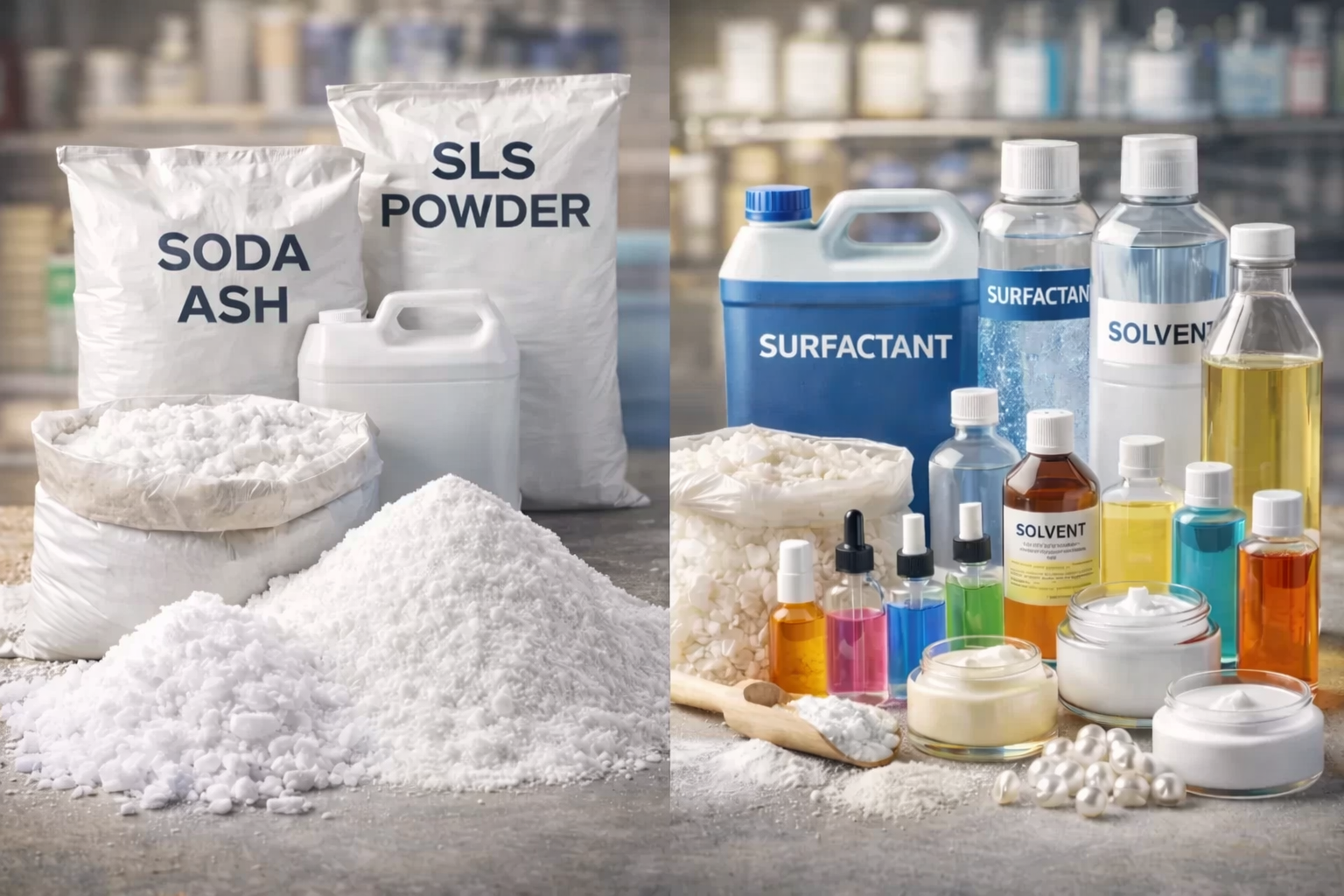


The performance of modern detergents and household cleaning products depends heavily on the quality and balance of raw materials used in their formulation. From removing tough stains to maintaining fabric brightness and producing rich foam, every ingredient plays a specific role in the cleaning process.
Manufacturers of laundry detergents, dishwashing liquids, and household cleaners rely on high-purity chemical inputs to ensure consistent product performance and customer satisfaction. Key ingredients such as Sodium Lauryl Sulphate (SLS), Soda Ash, and Optical Brighteners are essential in creating effective detergent formulations.
In this article, we explore the most important raw materials used in detergent and household product manufacturing and how reliable chemical suppliers help manufacturers maintain quality and efficiency.
The Importance of Raw Materials in Detergent Manufacturing
Detergent products are complex formulations made up of surfactants, builders, brightening agents, binders, and additives. Each ingredient contributes to a different aspect of cleaning performance.
High-quality raw materials ensure:
- Strong stain removal capability
- Effective grease and oil breakdown
- Proper foaming and lather formation
- Fabric brightness and whitening
- Stable detergent powder or liquid consistency
Using consistent, industrial-grade chemicals allows manufacturers to maintain product quality across large production batches.
Sodium Lauryl Sulphate (SLS): The Primary Surfactant
One of the most widely used ingredients in detergents and personal care products is Sodium Lauryl Sulphate (SLS).
Key Functions
- Acts as a surfactant, helping water mix with oils and dirt
- Produces the foaming action consumers associate with cleaning power
- Breaks down grease, oils, and stains on fabrics and surfaces
Applications
SLS powder is commonly used in:
- Laundry detergents
- Dishwashing liquids
- Shampoo and personal care products
- Industrial cleaning solutions
Because SLS directly affects cleaning efficiency and foam quality, detergent manufacturers require consistent purity and particle size from their suppliers.
Soda Ash Light: The Builder in Detergent Formulations
Another important ingredient in detergent manufacturing is Soda Ash Light (Sodium Carbonate).
Role in Detergents
Soda ash acts as a builder, which means it enhances the effectiveness of surfactants by adjusting water chemistry.
Key Benefits
- Helps soften water by neutralizing minerals
- Improves the performance of surfactants
- Maintains the correct pH level for cleaning formulations
- Supports stain removal and grease breakdown
Soda ash is especially important in detergent powders, where it also contributes to the product’s structure and stability.
Optical Brighteners: Enhancing Fabric Whiteness
Optical brighteners, also known as fluorescent whitening agents, are chemicals used to improve the appearance of fabrics after washing.
How Optical Brighteners Work
These compounds absorb ultraviolet light and re-emit it as visible blue light. This process helps fabrics appear whiter and brighter, even if small stains remain.
Why They Are Important
Optical brighteners help:
- Improve perceived fabric brightness
- Maintain white clothing appearance after repeated washes
- Enhance overall visual cleaning performance
Because of their sensitivity and formulation requirements, detergent manufacturers require high-quality optical brighteners with consistent chemical composition.
Gum Powder: Binding and Texture Support
In certain detergent powder formulations, gum powder is used as a binder and texture agent.
Key Functions
- Helps bind detergent particles together
- Improves the flow and structure of powder detergents
- Enhances product stability during storage and transport
This ingredient is particularly useful in bulk detergent production, where maintaining the physical integrity of the powder is important.
The Role of Bulk Chemical Suppliers in Detergent Production
Large-scale detergent and FMCG manufacturers rely on trusted chemical suppliers for consistent raw material sourcing.
Reliable suppliers provide:
Consistent Chemical Quality
Stable purity and specifications ensure every batch of detergent performs the same.
Bulk Availability
Industrial manufacturers require chemicals in large quantities for continuous production.
Verified Specifications
Quality documentation and testing ensure raw materials meet industry standards.
Reliable Logistics
Timely delivery helps manufacturers maintain uninterrupted production cycles.
Working with a dependable supplier allows detergent producers to focus on product innovation and brand growth, while maintaining stable manufacturing operations.
Supporting the Growing Detergent and FMCG Industry
The global demand for laundry detergents, cleaning liquids, and household hygiene products continues to grow. As consumer expectations increase, manufacturers must maintain high product quality, strong cleaning performance, and reliable supply chains.
By sourcing high-grade raw materials such as SLS, soda ash, and optical brighteners, detergent manufacturers can produce products that meet modern cleaning standards while maintaining cost-efficient production.
Conclusion
High-quality detergents and household cleaning products depend on carefully selected raw materials and precise chemical formulations. Surfactants like SLS, builders such as Soda Ash, and additives like Optical Brighteners all contribute to the effectiveness and appearance of cleaning products.
For manufacturers, partnering with a reliable bulk chemical supplier ensures consistent quality, stable formulations, and efficient production processes. With the right raw materials and supply partners, detergent producers can continue delivering high-performance cleaning solutions to consumers worldwide.
If you want, I can also help you create 5 more SEO blog posts for your chemical website that target keywords like:
- Detergent raw materials supplier
- Industrial chemicals for textile industry
- TiO2 pigment uses in paint manufacturing
These types of posts help chemical supplier websites rank on Google and attract B2B buyers.